HOW OFTEN SHOULD YOU BE WASHING YOUR DOG?

dog-2414188_640

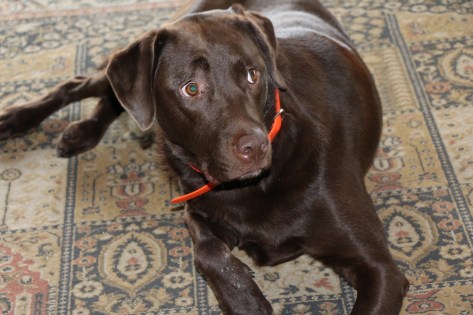
How frequently should you be washing your dog? When your dog gets dirty or is having their fur cut. Otherwise? Generally speaking: twice a year is a good mark. If you are bathing your dog more often you may be stripping their skin and coat of important natural oils. If your dog has a healthy coat and skin, then bathing should not be a regular necessity. Brush your dog as needed, rinse them when they get a bit of dirt on their paws or legs and wipe them down with a damp cloth from time to time. You can also try using an apple cider vinegar spray to help keep the coat feeling fresh without drying out the hair or skin. This is especially helpful after brushing a short-haired double coated breed, like a labrador.

———

1) Fill a spray bottle with 1 parts apple cidar vinegar to 9 parts water (you can use 15-20% vinegar if needed).

2) On a mist setting, spritz their coat down lightly. Try to avoid their faces or head alltogether as some dogs are not too fond of it.

3) Gently wipe down with a clean hand towel and repeat if needed. For many types of fur, this should give a clean sleek feeling.

DOGS DON’T GENERALIZE WELL

dog-987941_1280.jpg

We often make the mistake of thinking dogs know something just because they learned it once, or the same way. But dogs don’t generalize well. Just because your puppy knew how to ‘sit’ in classes doesn’t mean they get it when out and about. When your older dog stays before a meal is put down does not mean it translates to the neighborhood. That is why I always tell people to teach a new behavior in a good classroom or better yet at a relaxed place like their home, where you can perfect that skill in a controlled environment.

But here is the key: you’ve got to start variations at those places too! If you normally give a command when you are standing, try kneeling down… does your dog still follow through? What about when you are across the room? Getting a dog to better generalize means working through a variety of different conditions at home to make the command have a solid foundation. But after that, you still must take that skill “on the road”.

WHY POTTY PADS ARE A POOPY IDEA

dog-1158929_1280If you want to have a housebroken dog that will not relieve themselves inside your home, don’t use potty pads. Ever. A dog must have a clear picture right from the beginning that going pee or poop in the house is not acceptable and that instead relieving themselves outdoors is always the way to go! When a dog is taught it is an acceptable behavior to ‘go’ in the house, it is a hard habit to break. Harder even if you reinforce it with a potty pad as they will often associate other soft surfaces such as rugs and carpeting or even clothes, as acceptable for peeing on as well.

When cleaning such areas(or even some hardwood flooring) most basic cleaners won’t be enough as the odor is still present to your dog’s nose. This again just tells them this is an ‘okay’ place to eliminate.

Another problem that often occurs is the dog uses one pad for peeing, but won’t use it for pooping, so they end up going on the floor next to it. In another instance, lets say you have multiple dogs and one of them saturates one pad, but a few hours later needs another so you end up placing multiple pads and then more pads and so on and soon enough your entire living room is a doggy bathroom! Not a fun way to live.

If this mistake has already been made and you want to transition your dog to being fully housebroken there are a few basic things you can do:

1) Treat your dog like a new puppy and go back to ‘housebreaking 101’

2) This will sometimes entail hiring a dog walker to let them out if you cannot be there frequently

3) Get a blacklight and check for any and all urine stains.

4) Clean these areas with an enzymatic spray such as Nature’s Miracle to help eliminate the odors that will attract your dog back to these places

5) Sometimes it is too much of an uphill battle and it is better to just replace old rugs, bathmats and even carpeting.

6) Patience and consistency are two of the principles of any kind of dog training. Consistency will be incredibly important here!

NOT IN AN INSTANT

dogs-2338674_1280

When it comes to dog training, anyone who claims to you they can get results or a cure “Instantly!” is more than likely going to be doing something unethical or they are just giving out a sales pitch. Many times, working on strengthening a behavior or getting rid of an unwanted behavior takes training for the dog and the human. How long or short it takes to reach those goals will vary by a number of different potential elements. Rarely do lasting results happen instantly. Training is a process, and all processes require time.

A great relationship is a worthy investment!

5 MAIN TIPS FOR SUCCESS WITH A NEWLY ADOPTED DOG

These are just the big ones when it comes to setting a new adult dog up for success in your household. Keep in mind these are just basic tips and I will be writing more extensively on each topic at a future time.

stafford-672698_640

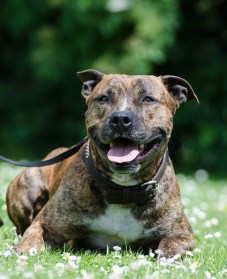
1. Go slow and don’t overwhelm them. Don’t plan any family outings, trips to the park, have visitors over or any unnecessary exposure for the first 1-4 weeks. (Not including a veterinary visit- a checkup appointment should be made within the first week of bringing your new dog home.)

2. Use a crate. If you don’t have a crate then use an ex-pen, or baby gate a ‘dog proofed’ room. Just like you would with a young puppy, you want your new dog to have a safe place when you cannot be watching them. Crates are also the best option for potty training which is discussed below.

3. Don’t give any high value items like bully sticks, bones or chews in the first week. Sometimes such an item has to be taken away (preferably traded for) for safety reasons. You don’t know your new dog’s habits yet and don’t want to find out the hard way that the dog has a history of resource guarding or food aggression- nor do you want to create it in a dog who doesn’t understand that you may have perfectly good intentions!

4. Supervise, supervise, supervise. If you have any other animals in the home, all interactions should be closely monitored and adequate safe spaces and down time should be given to all so that everyone can get used to the household changes. Remember it is more than just your newest family member who is going to have to adjust. If you are present you also can make sure your new canine won’t be developing bad habits like chewing, counter surfing or getting into any other trouble.

5. Assume the new dog is not potty trained, even if you are told otherwise. Set the new dog up for success treating her or him like a puppy for the first few days. Lots of frequent trips outside, lots of praise when they ‘go’ and never leave them unsupervised so they don’t have a chance to make a mistake in the house.

BEST USE FOR A DOG PARK

Dog parks can be a great place for training. And you don’t even have to be a member! That is because you want to be outside the park. Use the parking lot and areas around it as a training opportunity. If you are ready to take your basic training and leash manners outside the home, yard, and away from the neighborhood then this is a great option. Especially if you are trying to improve your dog’s focus and self control in the presence of other dogs. Start far away from the entrance and any other dogs and build up, increasing your distance slowly.

Small word of caution: Be sure to use vigilance and look out for any dogs that may be have been let off leash in the parking lot. Remember, space is your friend!

OVERGROWN AND OVERLOOKED

DSC_9530

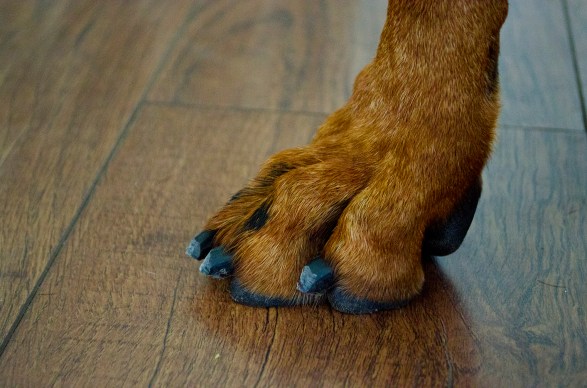
Nail length may just be the most important part of your dog’s life that you never hear about. We often think about our dogs’ annual vaccinations, quality of their fur, what their weight is at or what they are eating. But rarely does anyone touch upon how important a dogs paws are. However, paws are responsible for a boatload of wellness and as such, if they are not kept in good condition the rest of the body will be adversely affected- whether we realize it or not. A paw is filled with thousands of nerve endings and is responsible for a lot more then just walking. Posture, proprioception, total body strength and prevention of ligament damage are just a few things that a dog’s paws are responsible for. When standing on a flat level surface nails should be at least a few centimeters off the ground and should not be heard when a dog is walking.

Why is this incredibly important?
When a dog is able to use the full face of their pads:

  • It increases the toes’ range of motion which allows for more strength and function; especially in the forelimbs
  • Decreases both arthritis and risk of injury to the entire body
  • Better proprioception – tells the dog’s brain where the ground is and what is an incline, what kind of surface they are on, etc.
  • Better posture – helps to increase strength along the neck and back
  • Long nails get in the way of a dog’s ability to grip on slick surfaces
  • Long nails are more likely to cause toes to splay which can be very painful


Most dog owners are unaware that dogs are intended to stand more on their toes and carry roughly 60% of their body weight on the front legs. If nails contact the floor when standing, it can make the dogs toes lean backwards. You may think a few centimeters of rocking back on their pads doesn’t seem to hurt, but it will change the dog’s posture and the whole musculoskeletal system has to adjust. This means areas are taking on more weight and pressure than they are designed to withstand. Over long periods of time, this can have a more dramatic impact. Range of motion will also be impeded particularly in the shoulders and the elbow and knee joint. All of this is especially vital when considering a dog who is in older adulthood or a senior.

An increased range of motion in the paws allows for more strength and function in the legs. The stronger and healthier the legs are the better off the rest of the body is. The lower part of the dogs leg, particularly the front lower arm and elbow, takes a bulk of impact every time the dog is upright. This means sitting, standing, walking or running(especially critical if your dog goes down stairs). The better the strength and range of motion in the paw the healthier the lower limbs are to help absorb force. Otherwise, a weak leg will pass this on to other areas of the body such as shoulders hips and even the spine.

A lot of people are afraid to do their dogs’ nails for one reason or another. They themselves are afraid, their dog has had a bad experience, they don’t know how to cut or the dog hates the dremel tool, etc. Like many aspects of training, you may not be able to achieve a turn around overnight. However, I truly believe that with diligence and patience, owners who keep their dogs nails short and take on regular nail trimming themselves, will greatly impact their dogs health (not to mention providing an invaluable trust and bonding experience). Remember that the benefits of learning and overcoming these obstacles far outweigh the risks.

RELEASE COMMAND

leisure-1551705_1920

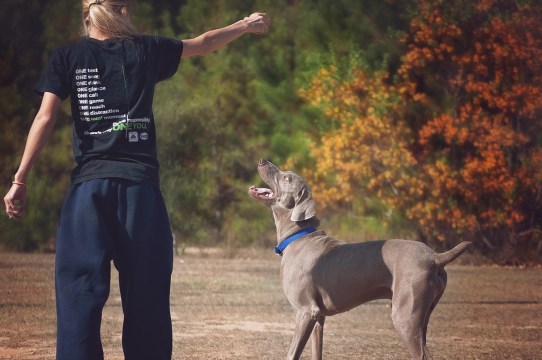
Conventional training may not give you this idea, but the importance of a release command is almost right up there with the basics. While some owners opt never to train one because they imply it in some of the basic commands (such as ‘sit’ or ‘down’) other areas of life yield this a much more important part of training. Such as having a dog to ‘stay’ or ‘come’.

Now you might be wondering what is a release command? This is a term used to tell your dog when they are done with a certain behavior. With ‘stay’ for example, this is a behavior that most obviously benefits the most. You need to decide when the behavior is finished and then let the dog know. Otherwise the dog will decide.

When training a dog to come when called, this is one of the biggest mistakes made. Not having a release command will ruin the foundation of the command. For when is it that the dog is done being with you? If your dog only decides, then that leaves too many chances for them to run off again, come only within 5 feet of you, run right past you, take the treat and walk away, etc. If you use a collar grab(see previous post) and then a release command this will make your recall much more reliable and clear to the dog what you want.

So what is a good word to use? ‘Okay’ is the most common. I prefer to use something that is more specific to interaction with your dog, as ‘okay’ is such a generally used term even in conversation that you might end up releasing your dog without even meaning to! Choosing a different word also helps YOU to remember when you’re through with a behavior. Something such as: ‘free’, ‘break’, ‘done’, ‘finished ‘or ‘at ease’.

THE COLLAR GRAB

dog-731979_1920This is a practice that many should look into but especially goes with the recall (come when called) and every owner should practice it if they expect to spend any time with their dogs outside off leash.

So why work with your dog to be comfortable with you grabbing their collar? First off, there are countless times when safety necessitates it. Secondly, it can be invaluable in every day commands. For example, if you call your dog to you and she comes but ducks away when you try to reach for her collar then how are you suppose to put her leash back on? If you need to remove your dog from the front door (who is still too exuberant to greet visitors politely) but he won’t let you take him by the collar as he knows the fun will end, then you are busy chasing him around your visitors which teaches him nothing and only frustrates you more. How about the dog who considers reaching for their neck a game and tries to mouth you instead? Having a dog who is comfortable with and associates a collar grab with something calming and positive is a priceless part of communication and trust.

You can introduce your dog to this in a number of ways but start out in the home environment when there is nothing else going on. Just gently hold their collar for a mere second and then praise and treat. The next time do it a second longer, then praise and treat. Make sure you are in front of them and they can see you reaching. Then move to practicing doing it over their head, under the neck, etc. The next session make sure to vary your positions: sitting, standing, grabbing while walking next to your dog and so forth.

As you can tell your dog is associating this reaching and grabbing interaction with something positive and harmless, you will have an easier time corralling them when it comes to needing to settle them down or leash them. Which is priceless for a dog who loves to ‘come’ but then wants to be chased instead!

Any questions? Leave a comment below!