5 MAIN TIPS FOR SUCCESS WITH A NEWLY ADOPTED DOG

These are just the big ones when it comes to setting a new adult dog up for success in your household. Keep in mind these are just basic tips and I will be writing more extensively on each topic at a future time.
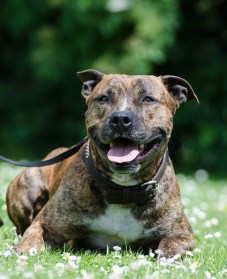
stafford-672698_640

1. Go slow and don’t overwhelm them. Don’t plan any family outings, trips to the park, have visitors over or any unnecessary exposure for the first 1-4 weeks. (Not including a veterinary visit- a checkup appointment should be made within the first week of bringing your new dog home.)

2. Use a crate. If you don’t have a crate then use an ex-pen, or baby gate a ‘dog proofed’ room. Just like you would with a young puppy, you want your new dog to have a safe place when you cannot be watching them. Crates are also the best option for potty training which is discussed below.

3. Don’t give any high value items like bully sticks, bones or chews in the first week. Sometimes such an item has to be taken away (preferably traded for) for safety reasons. You don’t know your new dog’s habits yet and don’t want to find out the hard way that the dog has a history of resource guarding or food aggression- nor do you want to create it in a dog who doesn’t understand that you may have perfectly good intentions!

4. Supervise, supervise, supervise. If you have any other animals in the home, all interactions should be closely monitored and adequate safe spaces and down time should be given to all so that everyone can get used to the household changes. Remember it is more than just your newest family member who is going to have to adjust. If you are present you also can make sure your new canine won’t be developing bad habits like chewing, counter surfing or getting into any other trouble.

5. Assume the new dog is not potty trained, even if you are told otherwise. Set the new dog up for success treating her or him like a puppy for the first few days. Lots of frequent trips outside, lots of praise when they ‘go’ and never leave them unsupervised so they don’t have a chance to make a mistake in the house.
BEST USE FOR A DOG PARK

Dog parks can be a great place for training. And you don’t even have to be a member! That is because you want to be outside the park. Use the parking lot and areas around it as a training opportunity. If you are ready to take your basic training and leash manners outside the home, yard, and away from the neighborhood then this is a great option. Especially if you are trying to improve your dog’s focus and self control in the presence of other dogs. Start far away from the entrance and any other dogs and build up, increasing your distance slowly.

Small word of caution: Be sure to use vigilance and look out for any dogs that may be have been let off leash in the parking lot. Remember, space is your friend!

OVERGROWN AND OVERLOOKED

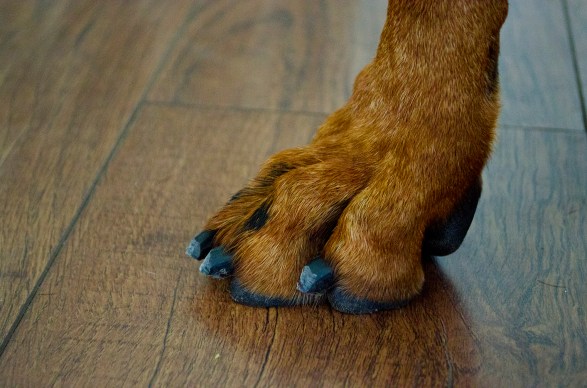
DSC_9530

Nail length may just be the most important part of your dog’s life that you never hear about. We often think about our dogs’ annual vaccinations, quality of their fur, what their weight is at or what they are eating. But rarely does anyone touch upon how important a dogs paws are. However, paws are responsible for a boatload of wellness and as such, if they are not kept in good condition the rest of the body will be adversely affected- whether we realize it or not. A paw is filled with thousands of nerve endings and is responsible for a lot more then just walking. Posture, proprioception, total body strength and prevention of ligament damage are just a few things that a dog’s paws are responsible for. When standing on a flat level surface nails should be at least a few centimeters off the ground and should not be heard when a dog is walking.

Why is this incredibly important?
When a dog is able to use the full face of their pads:

  • It increases the toes’ range of motion which allows for more strength and function; especially in the forelimbs
  • Decreases both arthritis and risk of injury to the entire body
  • Better proprioception – tells the dog’s brain where the ground is and what is an incline, what kind of surface they are on, etc.
  • Better posture – helps to increase strength along the neck and back
  • Long nails get in the way of a dog’s ability to grip on slick surfaces
  • Long nails are more likely to cause toes to splay which can be very painful


Most dog owners are unaware that dogs are intended to stand more on their toes and carry roughly 60% of their body weight on the front legs. If nails contact the floor when standing, it can make the dogs toes lean backwards. You may think a few centimeters of rocking back on their pads doesn’t seem to hurt, but it will change the dog’s posture and the whole musculoskeletal system has to adjust. This means areas are taking on more weight and pressure than they are designed to withstand. Over long periods of time, this can have a more dramatic impact. Range of motion will also be impeded particularly in the shoulders and the elbow and knee joint. All of this is especially vital when considering a dog who is in older adulthood or a senior.

An increased range of motion in the paws allows for more strength and function in the legs. The stronger and healthier the legs are the better off the rest of the body is. The lower part of the dogs leg, particularly the front lower arm and elbow, takes a bulk of impact every time the dog is upright. This means sitting, standing, walking or running(especially critical if your dog goes down stairs). The better the strength and range of motion in the paw the healthier the lower limbs are to help absorb force. Otherwise, a weak leg will pass this on to other areas of the body such as shoulders hips and even the spine.

A lot of people are afraid to do their dogs’ nails for one reason or another. They themselves are afraid, their dog has had a bad experience, they don’t know how to cut or the dog hates the dremel tool, etc. Like many aspects of training, you may not be able to achieve a turn around overnight. However, I truly believe that with diligence and patience, owners who keep their dogs nails short and take on regular nail trimming themselves, will greatly impact their dogs health (not to mention providing an invaluable trust and bonding experience). Remember that the benefits of learning and overcoming these obstacles far outweigh the risks.